

The Hidden Psychology Behind Every Purchase You Make
You walked into The Palms in Lekki for one thing. Maybe it was a jar of peanut butter, or a birthday card, or just a quick top-up at the ATM. An hour later, you are standing at the Shoprite checkout with a trolley that somehow filled itself: body lotion you did not plan to buy, a snack you saw on a display stand near the entrance, and three items that were “on promo.” You’re not alone, and more importantly, you’re not weak-willed. You were played; brilliantly, scientifically, and very intentionally.
The psychology of spending is one of the most fascinating fields sitting at the crossroads of business, science, and human behaviour. Understanding it does not just make you a smarter consumer; if you run a business, it is arguably the most valuable body of knowledge you can ever study. Here are three powerful forces quietly steering every purchase decision you make.
The Environment Is Designed to Slow You Down and Open Your Wallet
The moment you step into a well-designed retail store or shopping mall, you have entered someone else’s carefully engineered world. Nothing! Not even the lighting, the music, the temperature, or the layout, is accidental.
Retailers use what psychologists call “atmospherics”, the deliberate manipulation of a shopping environment to influence how long you stay and how much you spend. Cooler temperatures make people linger. Slower background music causes shoppers to move through aisles more slowly, which directly increases purchase volume. Bright, warm lighting near produce sections makes fruits and vegetables look fresher and more appetizing. Essential items like staples and ATMs are deliberately placed at the back of stores, forcing you to walk past dozens of products you never came for.
This is why malls like Ikeja City Mall and Novare Lekki are not just shops, they are experiences. Nigeria’s malls have evolved into lifestyle centers with restaurants, cinemas, tech hubs, and supermarkets all under one roof. That design is not generosity, it is strategy. The longer you stay, the more you spend. For entrepreneurs, the takeaway is profound: your physical or digital environment is either working for you or against you. The layout of your shop floor, the design of your website, the way your products are arranged on a shelf, all of it is silently communicating a message that either closes a sale or loses one.

Emotions Make the Decision, Logic Signs the Receipt
Here is an uncomfortable truth about how humans shop: we almost never buy things for purely rational reasons. We buy feelings. We buy identity. We buy the version of ourselves we want to be.
Consumer psychologists have long established that purchasing decisions are primarily emotional, with rational justification applied after the fact. When a Nigerian professional buys a product from SPAR over a cheaper equivalent from a roadside vendor, they are not just buying a product, they are buying the feeling of quality, safety, and status that comes with it. When someone upgrades to the latest smartphone despite their current one working perfectly, they are purchasing a sense of relevance and belonging.
This emotional engine is what makes loyalty programmes so devastatingly effective. When a customer earns points, unlocks a tier, or receives a birthday discount, they feel seen. That feeling of being valued triggers a psychological commitment to the brand that transcends price. They will defend that brand in conversation. They will return even when a competitor is cheaper. They are no longer just a customer, they have become an advocate.
For business owners, this reframes your entire job description. You are not selling a product. You are selling a feeling. The question to ask is not “what does my product do?” but “how does buying my product make someone feel about themselves?” Answer that honestly, and your entire marketing strategy will sharpen overnight.
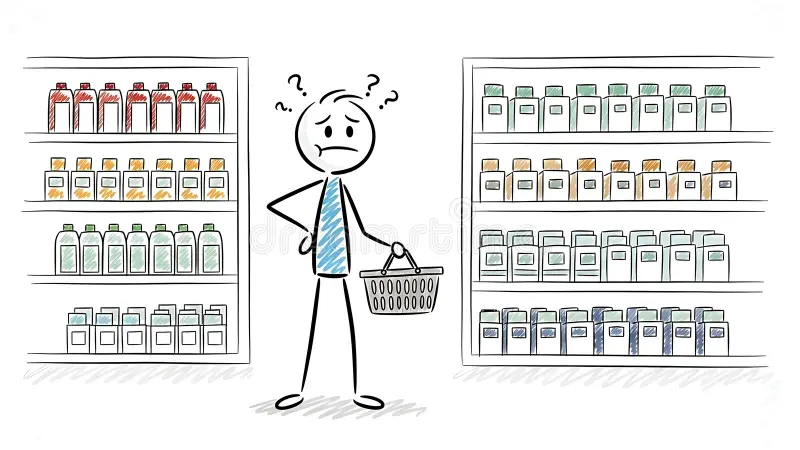
Scarcity and Social Proof Are the Twin Engines of Impulse Buying
Two words that have emptied more wallets than any advertising campaign ever could: “almost gone.”
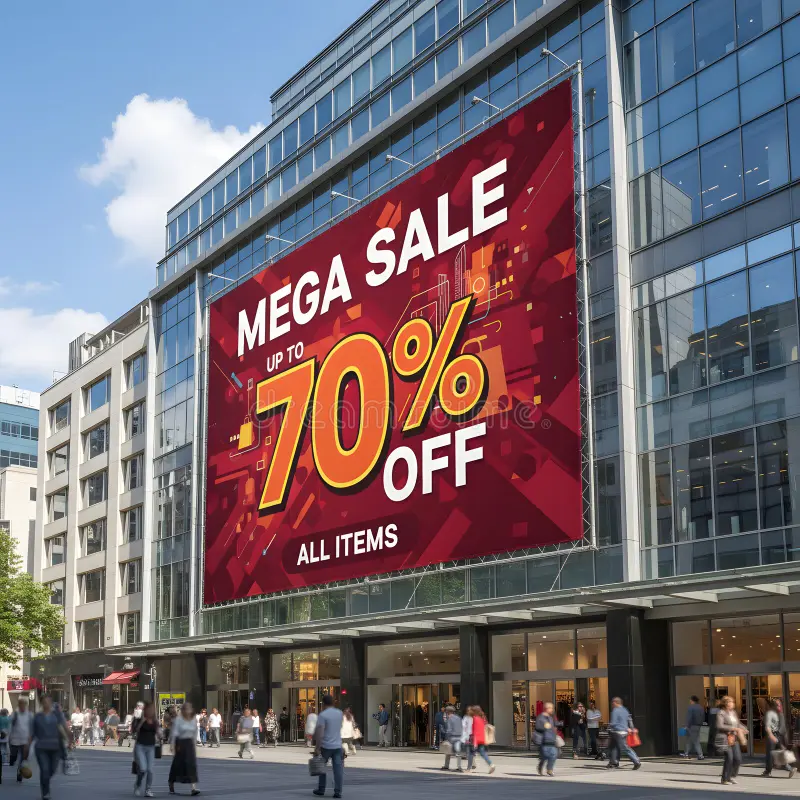
Scarcity is one of the most primal psychological triggers in human behaviour. When we believe something is limited: in time, in quantity, or in access, we immediately assign it more value. The scientific term is loss aversion: human beings are wired to feel the pain of losing something far more intensely than the pleasure of gaining something equivalent. Retailers and marketers exploit this constantly. Flash sales. “Only 3 left in stock.” Exclusive members-only products. Countdown timers. Every one of these mechanisms is designed to make inaction feel more costly than spending.
Pair scarcity with social proof, the human instinct to follow the behaviour of others, especially in uncertain situations, and you have a spending trigger that is almost impossible to resist. When a restaurant in Victoria Island has a queue outside the door, people assume the food must be exceptional, even if they have never tasted it. When a product has thousands of positive reviews on Jumia or Konga, a new buyer’s hesitation dissolves almost instantly. When everyone at the office is talking about a particular brand, the pressure to belong quietly overrides the budget.
For entrepreneurs, these two forces are yours to use ethically and effectively. Genuine limited editions create real desire. Showcasing authentic customer testimonials builds trust faster than any paid advert. Creating a sense of community around your product transforms casual buyers into loyal members of something larger than a transaction.
The Bottom Line
Your spending habits are not random. They are the product of decades of behavioural science, carefully applied by businesses who understand one thing deeply: human beings are predictable. The environments we walk into shape us. The emotions we carry into a store follow us to the checkout. The fear of missing out and the desire to belong write cheques that our rational minds only cash later.
This is not cause for cynicism, it is cause for education. As a consumer, knowing these triggers puts you back in the driver’s seat. As an entrepreneur, understanding them is the difference between a business that struggles to sell and one that sells almost effortlessly. The most successful brands in the world are not just selling products. They are speaking directly to the human brain, and the brain, it turns out, is remarkably easy to please when you know exactly what it is listening for.