

Have you ever noticed that two businesses can sell almost the same product, yet one charges significantly more and still attracts loyal customers?
Think about it. Some people gladly pay more for a cup of coffee, a pair of shoes, a meal, or even a simple notebook, even when cheaper alternatives are available just a few steps away.
At first glance, it may seem like these customers are simply paying for the product. In reality, they are paying for something much bigger.
People do not buy based on price alone. They buy based on the value they believe they will receive. That value is influenced by quality, trust, presentation, experience, and emotion. Long before customers decide whether something is expensive or affordable, they decide whether it feels worth it.
This is why some businesses compete by lowering their prices while others succeed by increasing the value customers perceive. Understanding this difference can completely change the way you position your business.
Customers Buy Value Before They Buy Price
One of the biggest mistakes businesses make is believing that customers always choose the cheapest option.
While price certainly matters, it is rarely the only factor in a buying decision.
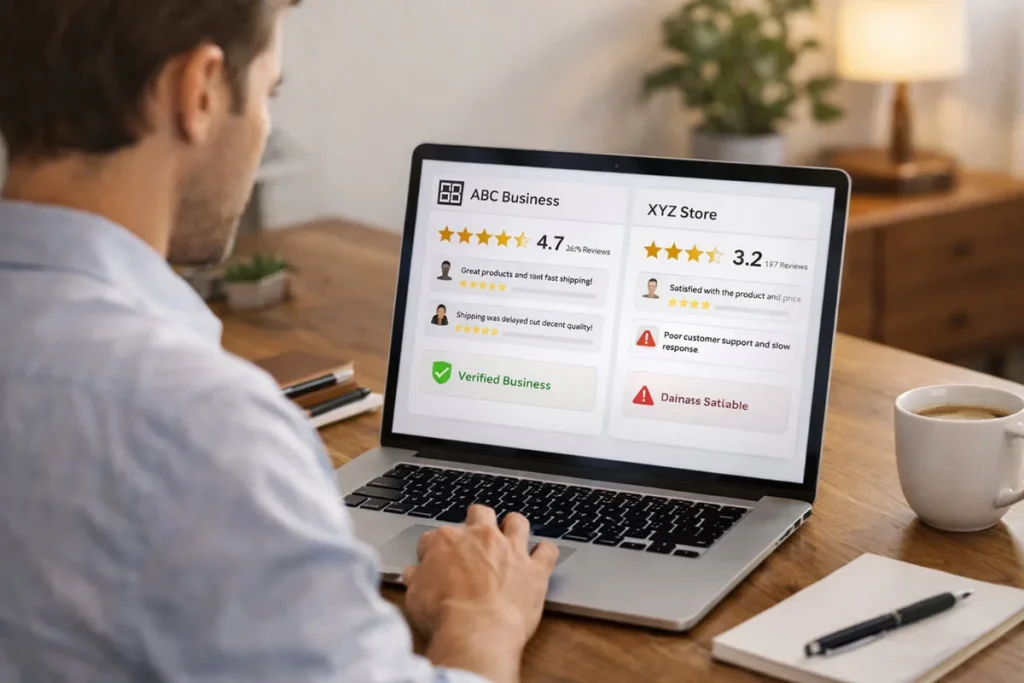
Imagine you need someone to repair your laptop. One technician charges a very low fee but has no reviews, provides little information, and takes days to respond. Another charges more but explains the process clearly, has excellent reviews, communicates professionally, and gives you confidence that your laptop is in safe hands.
Many people would gladly pay the higher price because they believe they are receiving greater value.
Customers do not simply compare prices. They compare confidence, convenience, reliability, and peace of mind.
Presentation Changes Perception
The way a business presents itself has a powerful influence on how customers judge its value.
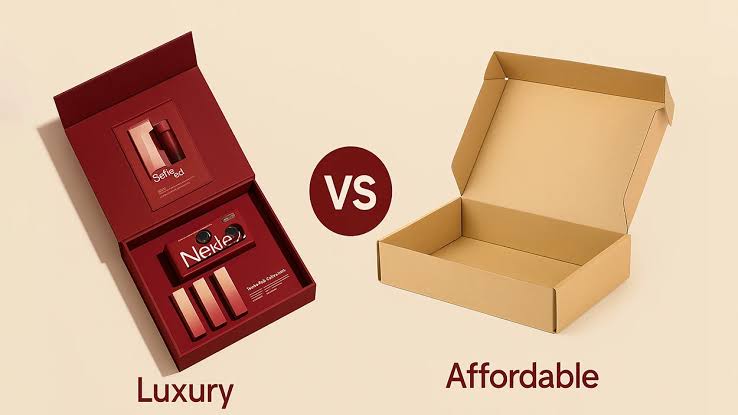
Clear branding, professional photographs, thoughtful packaging, organized communication, and attention to detail all send a message that the business cares about quality.
Imagine receiving the same product in two different ways. One arrives in plain wrapping with no protection or message. The other arrives neatly packaged with care, a thank you card, and clear instructions.
Even though the product is identical, the second experience naturally feels more valuable.
Presentation shapes perception, and perception influences what customers believe something is worth.
Trust Makes Higher Prices Easier to Accept
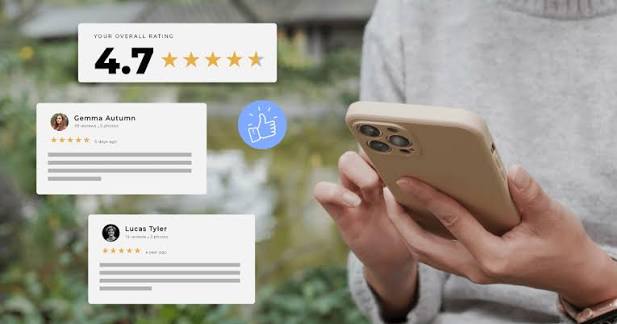
People are often willing to pay more when they trust the business behind the product.
Trust removes uncertainty. Customers believe they will receive what was promised, that any problems will be handled professionally, and that their money is being spent wisely.
This is why businesses with strong reputations often compete successfully without being the cheapest in the market.
Instead of asking, “How can I lower my prices?” successful businesses ask a different question.
“How can I increase the value customers experience?”
When trust grows, price becomes only one part of the decision rather than the deciding factor.
Price may attract attention, but value earns commitment.
Customers are not always looking for the lowest price. More often, they are looking for the option that gives them the greatest confidence, the best experience, and the strongest sense of satisfaction.
Businesses that understand this stop competing in price wars and begin investing in what truly matters. They improve their presentation, strengthen customer trust, and consistently deliver experiences that justify their value.
As you think about your own business, ask yourself this important question:
If someone says my product is expensive, have I shown them why it is worth it?
Because in business, people rarely pay more for a product alone. They pay more for the value they believe comes with it.