

There is a kind of business problem that sounds almost like a blessing: “We suddenly have too many customers.”
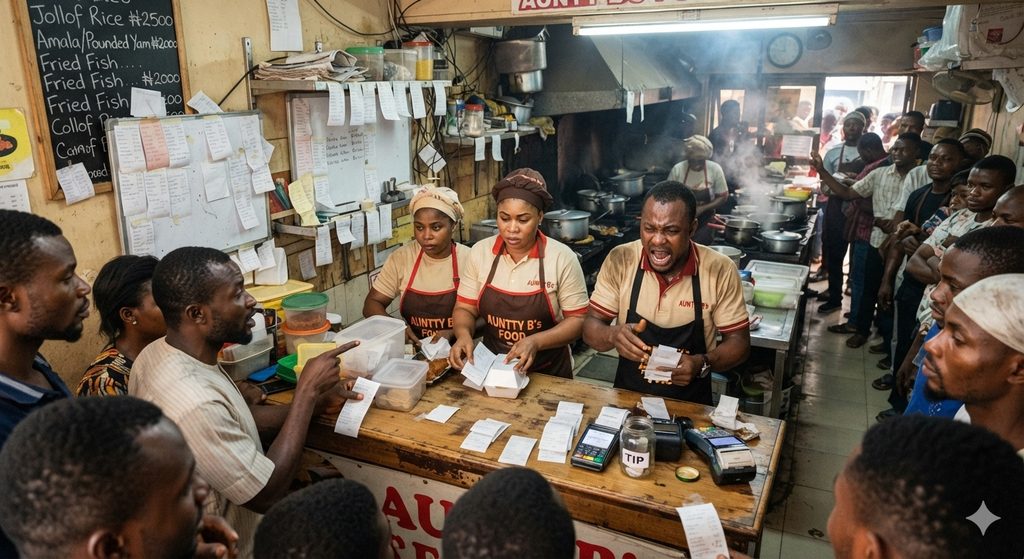
Orders are coming in faster. The phone does not stop ringing. Messages keep piling up. There are more inquiries, more deliveries, more projects, and more people asking for your product.
From the outside, it looks like everything is finally working.
But behind the scenes, something different may be happening.
Orders are taking longer to fulfil. Customers are waiting too long for responses. Mistakes are becoming more frequent. The business owner is exhausted, employees are overwhelmed, and the quality that attracted customers in the first place begins to suffer.
This is the busy business trap: when a business grows faster than its ability to handle that growth.
Growth itself is not the problem. The problem is growing without the systems, capacity, and structure needed to support it. And sometimes, the biggest sign that a business needs to improve is not that things are going badly, but that things are going very well and the business can no longer keep up.
More Customers Can Expose Weaknesses
When a business is small, certain weaknesses can remain hidden.
An owner might personally respond to every customer, manually track every order, remember important details in their head, or solve problems as they appear. When there are only a few customers, this may work.
But what happens when there are suddenly ten times more?
The same system that worked for 20 customers may completely fail with 200.
This is why increased demand often exposes problems that were already there. Poor record-keeping becomes confusing. Slow communication becomes frustrating. Disorganized inventory becomes costly. A business may have a great product but struggle because its internal process cannot keep up.
Sometimes, the next stage of growth does not require more customers. It requires a better way of handling the customers you already have.
Being Busy Does Not Always Mean Being Productive
There is a difference between being busy and actually moving the business forward.
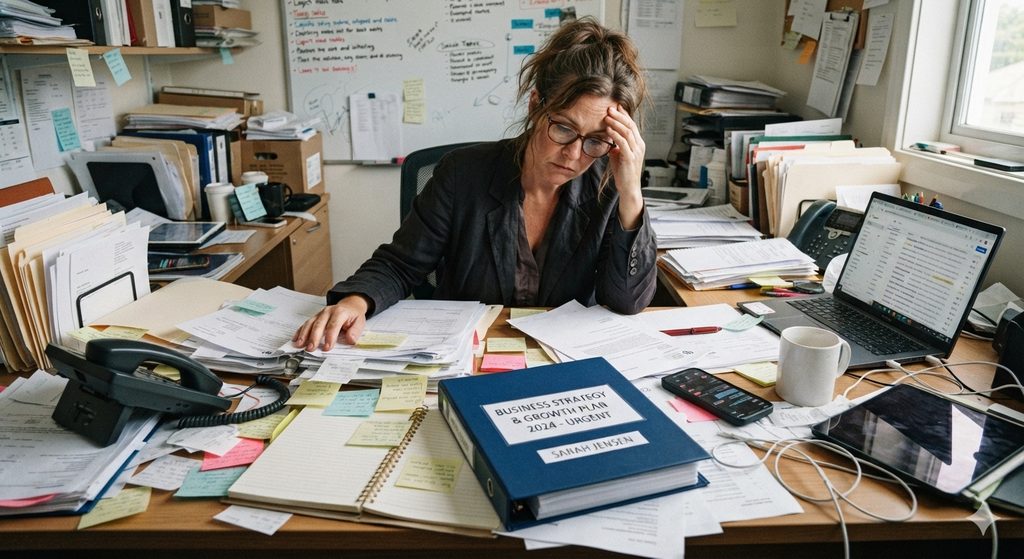
A business owner can spend the entire day answering messages, fixing mistakes, chasing payments, managing deliveries, posting on social media, and putting out small fires without doing anything that meaningfully improves the business.
Constant activity can create the feeling that everything is moving, while important work remains unfinished.
Productivity is not about having a longer to-do list. It is about knowing which activities actually create value and which ones are symptoms of poor organization.
When a business owner is spending most of their time solving the same problems repeatedly, that is often a sign that the problem needs a system, not another temporary solution.
Growth Requires Capacity, Not Just Demand
Getting more customers is exciting, but a business needs the capacity to serve them well.
That capacity could mean better technology, additional staff, improved inventory management, clearer processes, better suppliers, or simply knowing when the owner can no longer do everything alone.
Imagine a restaurant that suddenly becomes popular online. The orders increase overnight, but the kitchen still has the same number of staff, the same equipment, and the same preparation process. More orders sound like good news, but if customers start receiving cold meals or waiting for hours, that success can quickly damage the reputation that created the demand.
The goal is not to reject growth. It is to prepare for it.
A healthy business asks, “If demand doubled tomorrow, could we still deliver the same quality?”
If the answer is no, the next step may not be another marketing campaign. It may be building capacity.
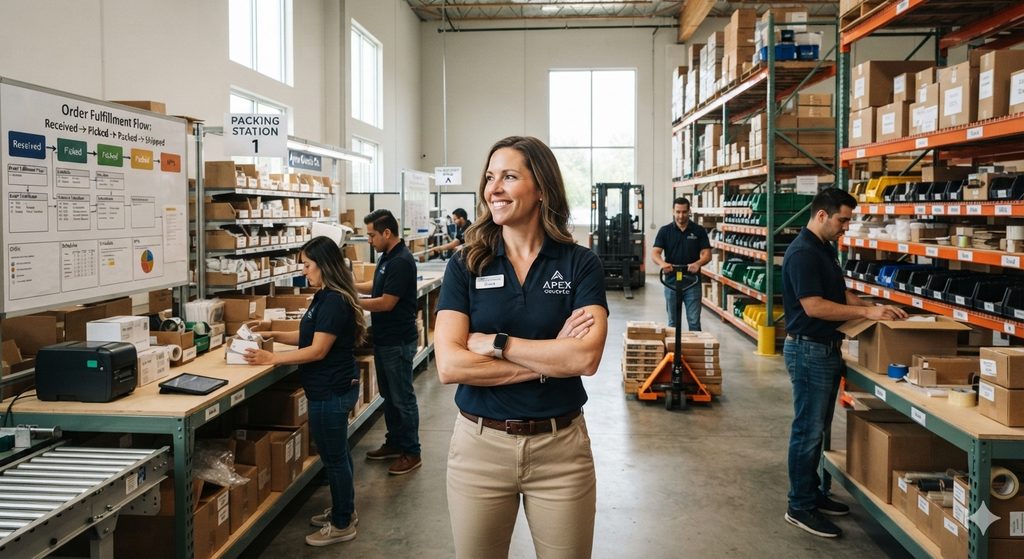
Every business wants more customers, more sales, and more opportunities. But sustainable success requires something beyond demand: the ability to handle it well.
Growth has a way of revealing what is strong and what needs attention. The processes that seemed “good enough” at a smaller level may suddenly become limitations. And that is not necessarily a sign of failure. It is an invitation to improve.
Sometimes, the best thing a growing business can do is pause and strengthen its foundation before chasing the next level.
Because the goal should not simply be to build a business that people want.
It should be to build a business that can serve those people well when they finally come.