

Running a food business looks delicious from the outside. People taste your meals, they smile, they share a picture, and it seems like magic. Behind every plated success, however, there is a long list of small decisions, repeated chores, uncomfortable tradeoffs, and unexpected costs. Very few articles show the work that happens after the recipes and the pretty photos. The truth is that food business ownership is equal parts craft and management, equal parts joy and grind. If you want a lasting brand, you must understand the business that supports the food. This article pulls back the curtain and explains three of the most common things entrepreneurs avoid talking about. Each section gives clear examples and practical steps so you can act on the lessons immediately.
Financial Reality: Cash Flow, Margins, and Pricing
Most food entrepreneurs begin with passion and perfect recipes. Passion will take you to the first customers, but it will not pay the bills forever. The hard reality is that food margins are often thin. Ingredients, utilities, packaging, delivery, taxes, and labor add up quickly. If you do not manage cash flow and margin deliberately, good weeks and bad weeks will feel like a roller coaster that wears you out.
Many owners underprice because they worry that higher prices will scare customers away. The opposite often happens when pricing is done thoughtfully. Customers will pay for convenience, trust, and perceived value. The way you present your product, your portion sizes, your packaging, and the reliability you offer all factor into what customers are willing to pay.
Practical actions you can take today
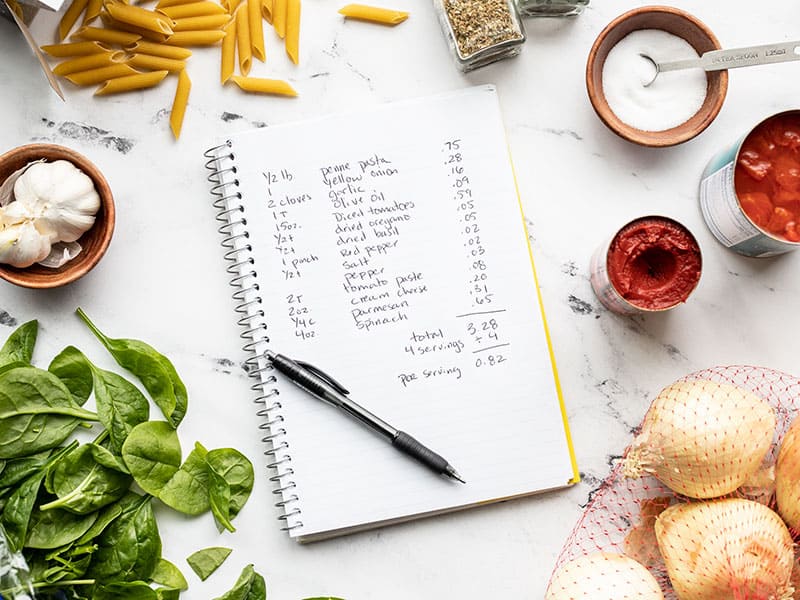
Create a simple cost sheet for your signature items. List all direct costs including ingredients, packaging, and delivery. Add a reasonable allocation for overhead such as gas, electricity, rent, and equipment wear. Then choose a profit margin that sustains growth.
Test value bundles rather than only raising single item prices. Offer bundles that combine an entry item with a signature dish at a small premium. Bundles increase perceived value and lift average order value.
Track cash flow weekly. Use a basic spreadsheet that records daily sales, payouts to suppliers, and unpaid bills. Seeing the cash rhythm helps you plan inventory and avoid last minute borrowing.
Operational Strain: Consistency, Workforce, and Supply
The second hidden reality is operational strain. Good food brands deliver the same quality today as they did yesterday. Consistency is the quiet engine behind loyalty. Achieving consistency requires repeatable recipes, standard operating procedures for prep and plating, careful supplier relationships, and training that turns new staff into dependable team members.
Many small businesses rely on the founder to be everywhere at once. That model breaks when orders grow, when the founder needs rest, or when the business wants to scale. The solution is to convert tacit knowledge into documented processes and simple checklists. When a recipe lives only in your head, the result is variable. When the recipe is on a card and the steps are practiced, the result becomes reliable.
Practical actions you can take today
Write a one page operating guide for your most important dish. Include ingredient weights, cook times, plating notes, and quality checks. Make sure a junior team member can follow it and reproduce the same result.
Build relationships with at least two suppliers for your essential ingredients. Single sourcing may seem convenient but it makes you vulnerable to price spikes and shortages.
Schedule a short weekly training session that focuses on one problem area. Keep the meeting under 30 minutes. Practice the skill together and end the session with one measurable standard that everyone agrees on.

Emotional Labor: Reputation, Customer Recovery, and Burnout
The third and most emotional reality is the ongoing labor of reputation. Food businesses live and breathe on reviews, word of mouth, and customer emotion. A single public complaint can cost trust. Worse, business owners often take criticism personally, which makes recovery slow and expensive. Managing reputation is not a single action. It is a continuous practice that includes quick recovery, honest communication, and relentless care for the customer experience.
Handling complaints well converts unhappy customers into loyal ones. The same business that faces negative feedback but responds with empathy, solution, and timeliness will often earn more loyalty than a brand that never receives complaints because it has few customers.
On the owner level, the emotional workload is heavy. Long hours, high expectations, and small margins cause burnout. Burnout is not glamorous and it kills creativity. Many founders hide fatigue behind a smile until a critical decision fails.
Practical actions you can take today
Create a short customer recovery script for your team. The script should acknowledge the problem, offer a solution or refund, and explain what you will do to prevent it from happening again. Training staff to use the script reduces escalation and protects your reputation.
Monitor social channels and delivery platforms daily. Set aside fifteen minutes each morning to scan for messages or negative reviews. Quick responses matter more than scripted perfection.
Build micro-rest rituals for yourself and your team. The business will survive a closed day if you need it. Schedule a fixed weekly pause and protect it. Use the time to reflect on operations, not on tasks. Protecting your energy is protecting your business.

Running a food business is not only about perfecting recipes. It is also about mastering the quiet, often unglamorous work that turns a kitchen into a brand. Financial discipline, operational systems, and emotional resilience are the unseen scaffolding behind memorable meals. The businesses that last do not simply feed people. They build processes, manage money, and nurture their own energy so they can keep giving customers their best.
If you are a food entrepreneur, start by picking one small visible task from this article and doing it well. Make a cost sheet. Write a simple recipe card. Create a one line customer recovery message. These small actions compound over time. They create reliability. They keep customers coming back. They turn your kitchen into a business and your food into a legacy.