


There is a business mistake so common that most entrepreneurs make it before they even open their doors. It is not a bad product, poor timing, or lack of funding. It is something far more seductive, the belief that the wider your net, the more fish you catch. The businesses quietly winning in 2026 are not the ones trying to serve everybody. They are the ones who picked a lane, owned it completely, and became the obvious answer to one specific person’s specific problem. That single decision is the difference between a business that hustles for attention and one that attracts it effortlessly.
When You Speak to Everyone, You Reach No One
The world hosts more than 150 million startups and the vast majority of them are saying almost the exact same things. “Quality service. Affordable prices. We care about our customers.” When everyone is saying everything, nobody is saying anything. The unfocused business doesn’t die dramatically, it fades slowly, attracting no one deeply because it speaks to everyone generally. Potential customers scroll past because nothing about it says “this was built specifically for you.” Clarity of audience is not a limitation. It is your loudest competitive advantage.


Specialists Always Earn More Than Generalists
In every industry, without exception, specialists charge more, and get paid without argument. A general clinic and a specialist cardiologist both treat the human body, but they do not charge the same fees. Consider two photographers: one shoots everything, weddings, events, products, portraits. The other positions herself specifically as a luxury wedding photographer for Nigerian couples planning destination ceremonies. When a couple spending ₦8 million on their Dubai wedding needs a photographer, there is no contest. The specialist wins the brief, the budget, and the referral every single time. When your business is the precise answer to a precise problem, price becomes secondary to fit.

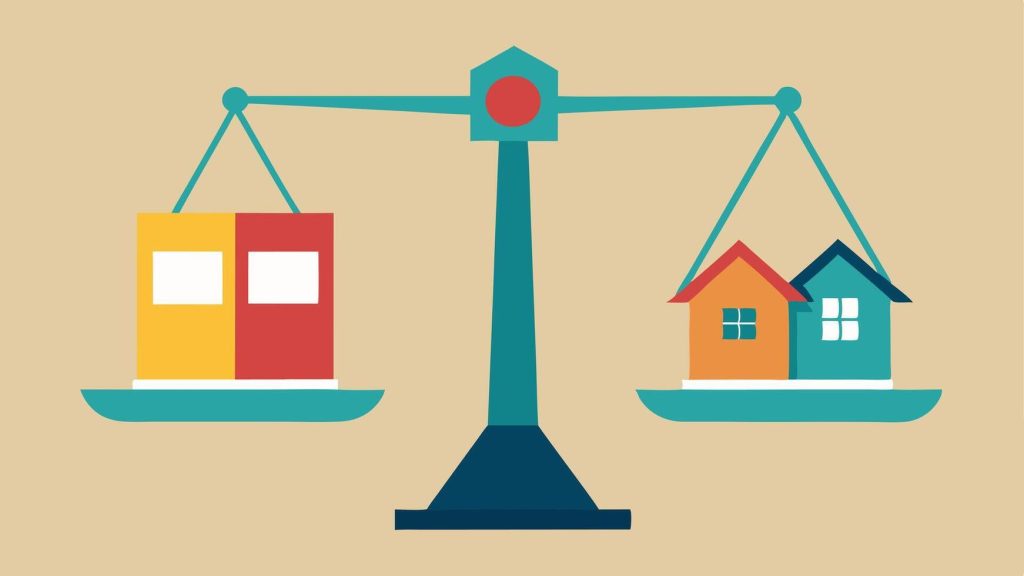
The Right Niche Is Already Inside Your Business
The best niche is rarely invented, it is discovered. Look at your existing customers. Who was the most enjoyable to serve? Who paid fastest, complained least, and referred others most readily? That profile is a map. Then ask yourself three questions: What problem do I solve better than most? Who feels that problem most painfully? Where do those people spend their time? The intersection of those answers is your niche, not a guess, but a conclusion built from evidence you already have. Start there, speak directly to that person, and build everything around their world.


Trying to sell to everyone is not ambition, it is fear. The fear that narrowing your focus means missing out. But the opposite is true. The moment you commit to a specific person with a specific problem, you stop competing and start owning. You stop being one of many and become the one. In a world of 150 million businesses all shouting at once, the most powerful thing you can do is whisper directly into the right ear, clearly, consistently, and to the right person. The businesses doing that in 2026 are not struggling to be found. They are struggling to keep up with demand.


